Warehouse Demand Trends Follow Housing Market

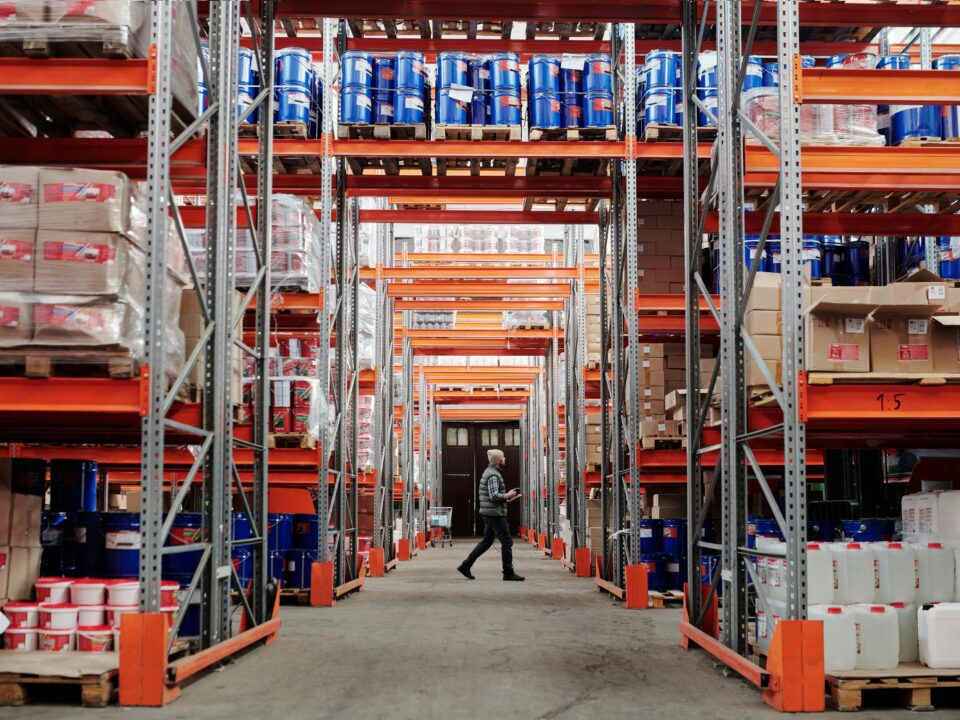
Large spacious warehouse with goods in cardboard boxes. The concept of logistics for storing and delivering goods around the world.
Earlier this year, Costar published an article stating demand for warehouse space is at its lowest point since 2010. Vacancy rates are up, and lease rates have leveled off with rent concessions on the increase. Construction costs are decreasing, and most building materials are readily available. Yet new speculative construction has had a significant slowdown. The question is: when will the industrial warehouse vacancy rate start to decrease? My prediction is in the summer of 2025.
Throughout my career, I have recognized a pattern between the housing and industrial real estate markets. Let me explain. On average, consumer spending makes up two-thirds of the U.S. economy. When people are buying homes, they purchase new appliances, carpet, shower curtains and everything in between. The same can be said for new homes, with the addition of all the new building materials required in construction. Unlike consumers spending on experiences, each of these items must be manufactured, stored in a warehouse and shipped to homes. This spending has a major impact on the industrial market.
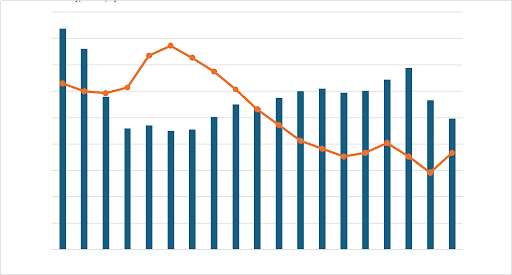
Consequently, the performance of the housing market has generally been a good predictor of how the industrial market will transact, typically with a lag time of 12 to 24 months. If you look back to the Great Recession of 2008, housing sales went from 8.4 million units in 2005 to 4.6 million units in 2008 before stabilizing. The U.S. vacancy rates for industrial real estate bottomed out at just under 8% in 2007 before peaking at just above 10% in 2010 and remained near that point for almost 24 months, or through 2011.
My Warehouse Leasing Prediction
From 2021 to 2023, housing sales went from 6.9 million units to 5.0 million units. Though this fall is not as precipitous as the previous downturn, it is still a significant decrease. With interest rates beginning to stabilize, home sales should improve. Based upon this correlation, I would expect industrial vacancy rates to peak in 2024 and remain elevated well into 2025.
Considering buying, selling, renting, or leasing in 2024? Contact NAI Ohio Equities Industrial Properties Today!