2024 Supply Chain Challenges: Lessons from the Port Strike and Hurricane Havoc
1. The Port Strike of 2024: A Short, Sharp Shock to the Supply Chain
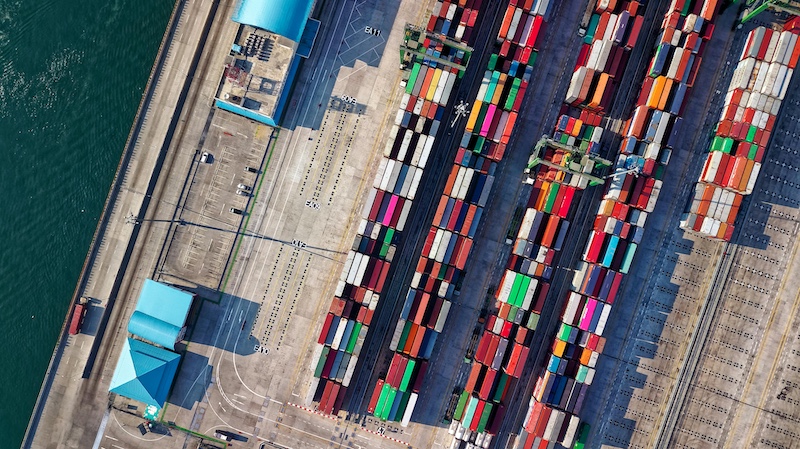
In early October, the International Longshoremen’s Association (ILA), representing 50,000 port workers, staged its first strike since 1977. Although the strike wasresolved in just three days, its impact was felt deeply across the East and Gulf Coasts in the U.S. The primary dispute centered around wage increases, which were eventually settled with a substantial 62% raise spread over a six-year contract.
Despite its brevity, the strike caused several disruptions:
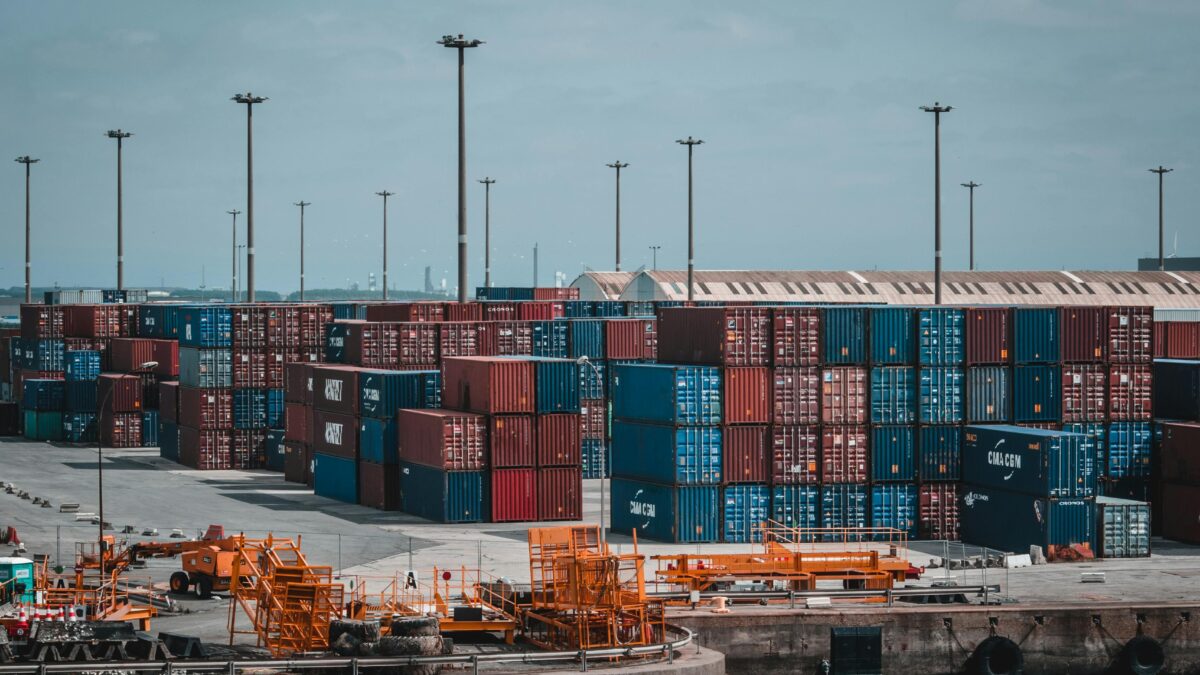
- Cargo Backlog: Ships were left waiting offshore, and major ports such as the Port of New York and New Jersey, the third largest in the U.S., had 24 vessels anchored by the time the strike ended. With approximately 35,000 import containers awaiting discharge, congestion and delays have become inevitable.
- Economic Losses: The Port Authority of New York and New Jersey alone reported losses of $250 to 300 million per day during the shutdown, equating to nearly $1 billion in economic losses for just a single port.
- Supply Chain Implications: While shippers scrambled to move their goods through before the strike began, the subsequent bottleneck means it could take up to five days of recovery for each day the ports were closed. This means that even with operations resuming, normal shipping times are unlikely to return immediately.
2. Hurricane Helene: Ripple Effects on Shipping in the Southeast
Hurricane Helene slammed into the southeastern U.S., temporarily shutting down several key ports and causing extensive damage to logistics infrastructure. The hurricane’s effects were multifaceted:
- Port Closures and Damage: Major Florida ports experienced damage that could take weeks to fully repair, necessitating the rerouting of shipments to other, often less-equipped ports. This has increased both direct shipping costs and the costs associated with finding alternative routes.
- Infrastructure Destruction: Beyond ports, critical inland transport networks, including highways and rail systems, were severely disrupted. This has resulted in skyrocketing inland transport costs, especially for short-haul truck movements in affected areas, with some routes witnessing price increases from $300 to over $2,000.
- Emergency Surcharges: Carriers have begun implementing emergency surcharges and fees to account for increased operational costs and risks. Expect to see these reflected in overall shipping expenses in the coming months.
3. Hurricane Milton: Adding to the Supply Chain Stress

As the industry struggled to recover from Hurricane Helene, Hurricane Milton hit the Gulf Coast, exacerbating an already strained logistics network. Here’s how:
- Extended Closures and Delays: Hurricane Milton’s path directly impacted some of the most critical Gulf Coast ports, which handle significant volumes ofcrude oil, natural gas, and consumer goods. Initial estimates indicate it could take months to restore full functionality to these ports.
- Severe Backlogs: Closures at key ports have created major bottlenecks, contributing to nationwide supply chain disruptions. The hurricane’s impact has particularly stressed industries reliant on just-in-time delivery systems, such as automotive and electronics manufacturing.
- Rising Costs Across the Board: With the double blow of two major hurricanes, spot rates have surged, warehousing space has become scarce, and businesses are incurring additional costs for rerouting, storage, and demurrage.
Combined Impacts: A Perfect Storm for Shipping Costs and Delays
When we consider the cumulative impact of the port strike and the two hurricanes, a few key trends emerge:
- Increased Shipping Costs: Businesses are facing a multifaceted cost hike driven by port damage, rerouting fees, inland transport surcharges, and rising warehousing costs. It’s not uncommon to see costs doubling or even tripling in some routes affected by multiple disruptions.
- Lengthened Shipping Times: Port congestion, backlogged cargo, and damaged transport networks have led to longer transit times. Goods that would typically move in a matter of days are now taking weeks, and in some cases, months.
- Supply Chain Volatility: Industries like construction and agriculture are experiencing acute shortages of key materials, impacting everything from building timelines to crop shipments. For example, disruptions in the Florida citrus industry may lead to prolonged shortages and price increases for orange products nationwide.
- Long-Term Economic Effects: The combined damage from Hurricanes Helene and Milton could impact up to 2% of the U.S. GDP, with recovery expected to take years in the hardest-hit areas. This prolonged instability will likely lead to sustained shifts in supply chain strategies, potentially altering shipping patterns and costs for the foreseeable future.
Navigating the Path Forward: What Shippers Should Consider
As the logistics industry grapples with these disruptions, businesses must proactively adapt to the changing landscape:
- Diversify Shipping Routes: Shippers should consider using alternative ports and routes to avoid bottlenecks, even if it means higher upfront costs.
- Leverage Technology: Real-time tracking and advanced logistics planning can help identify the least congested routes and predict delays before they happen.
- Plan for Contingencies: With extreme weather events and labor disputes likely to continue, having a robust risk management plan in place is critical. Building in buffer times for key shipments and securing backup warehousing can mitigate some of the impact.
In conclusion, 2024 has been a challenging year for the logistics sector. With the port strike, back-to-back hurricanes, and ongoing infrastructure issues, shippers will need to be agile and strategic to navigate the turbulent waters ahead. Keeping a close eye on emerging trends and potential risks will be crucial to maintaining supply chain stability in the months to come.