March 2026 Newsletter
🏭 The Warehouse Floor — March Edition
Formerly Industrial Property Monthly
🔍 CAM vs. OpEx Reconciliation: What Industrial Tenants Need to Know
It’s that time of year again.
Operating expense (OpEx) reconciliation statements start hitting inboxes this month, and tenants across the industrial market ask the same questions:
- Didn’t I already pay this?
- Why does this number look different than last year?
- What exactly is getting reconciled?
Let’s break this down—clearly, practically, and without the noise.
First Things First: CAM vs. OpEx
This is where a lot of confusion starts. CAM (Common Area Maintenance) is only part of the equation. Operating Expenses (OpEx) typically include:
- Common Area Maintenance (CAM)
- Real Estate Taxes
- Insurance
- Management Fees
In short: OpEx = CAM + Everything else required to operate the property
Management fees are usually included in OpEx under most institutional leases. That’s normal—but it should always be disclosed and understood during lease negotiations.
Transparency upfront avoids frustration later.
Why Reconciliations Exist at All
Tenants often push back and say, “I’ve been paying OpEx monthly—why am I getting another bill?”
Here’s how it works in almost every triplenet (NNN) industrial lease:
- At the start of the year, landlords estimate operating expenses
- Tenants pay their monthly pro rata share based on that estimate
- Once the year closes, actual expenses are finalized
- The difference—over or under—is reconciled, usually in late winter
That’s it. The reconciliation isn’t a new charge — it’s a true-up of what was already forecasted. And good operators aim to get this reconciliation as close to zero as possible.
What Tenants Should Review First
When the reconciliation statement arrives, don’t just look at the balance due.
Well-prepared statements should clearly show:
- Total building operating expenses
- Your pro rata share
- The math behind how your balance was calculated
If you can’t follow the calculation trail, that’s a reasonable place to ask questions.
The Line Item That Gets the Most Scrutiny
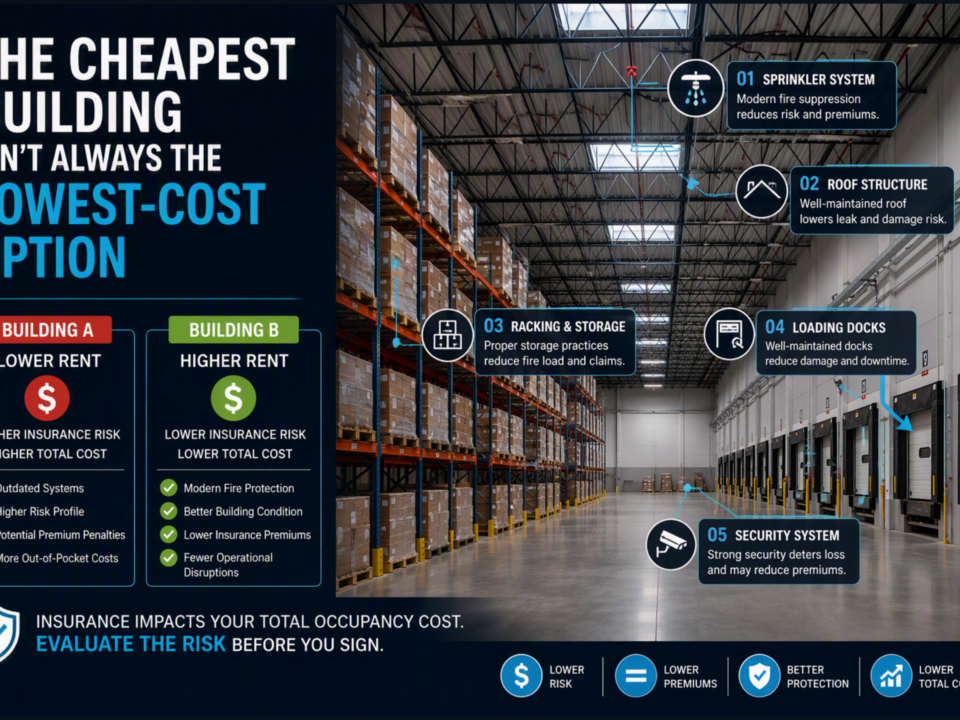
Consistently, the top question tenants ask about is insurance.
- Not unusual.
- Tenants often want to see:
- The insurance invoice
- How the premium was calculated
- Why it changed year-over-year
Other common tenant follow-up inquiries about the OpEx reconciliation include:
- Repairs & maintenance increases
- What qualifies as capital vs. operating expenses
- Large variances from prior years
Tenants who pay attention typically compare year-over-year numbers—and they should.
“Managing to the Budget” Matters More Than You Think
The best operators don’t just reconcile expenses; they manage them all year long.
That means:
- Fixing as many costs as possible
- Avoiding reactionary increases
- Reducing volatility at year-end
One example: fixed-rate service contracts (snow removal, landscaping, etc.).
In Midwest markets, winter costs can swing dramatically year to year. Fixed pricing can help:
- Smooth out spikes
- Avoid surprise per-square-foot charges
- Make tenant budgeting more predictable
Big events still get paid for, but not in a way that blindsides tenants months later.
What Costs Are Likely to Increase?
Short answer: most of them.
But increases don’t have to be painful if they’re managed correctly.
Key stabilizers include:
- Long-term vendor relationships
- Portfolio-scale pricing
- Prompt vendor payment
- Long-term ownership (which helps keep tax and insurance bases lower)
Not all buildings—or owners—are equal here, which is why two “similar” properties can have very different OpEx profiles.
Real Estate Taxes: The Quiet Variable
One of the biggest drivers of OpEx volatility is real estate tax reassessment.
In Ohio, triennial reassessments can result in significant valuation jumps—sometimes 20–30% or more. Those increases flow directly through to tenants.
What tenants should expect from good ownership:
- Annual monitoring of assessments
- Proactive appeals when values are out of line
- Willingness to challenge excessive increases
If taxes spike and no one is paying attention, tenants feel it.
If Something Doesn’t Look Right—What Should Tenants Do?
Start with the lease. Make sure it gives you the right to:
- Review operating expenses
- Request backup
- Ask questions within a defined time window
Then have the conversation with your landlord. Most issues are resolved by:
- Comparing current and prior years
- Reviewing category totals
- Looking at backup when needed
This is a relationship business. Clear communication solves most problems long before they turn into disputes.
Final Thoughts
Reconciliation season shouldn’t be a surprise.
When leases are explained properly, expenses are managed throughout the year, and communication between landlords and tenants stays open, March statements become routine—not stressful.
And as always—every deal is different, so stay informed.