December 2024 Newsletter

Industrial Property Monthly
This month, we’re diving into three key topics that define local, regional, and national trends in industrial real estate. Locally, we examine Columbus’ shifting construction pipeline. Regionally, we explore Intel’s impactful developments in Ohio. Nationally, we analyze how potential tariffs could reshape the industrial landscape. Let’s jump in.
Local
Columbus is poised to deliver 1.3 million square feet of speculative industrial space in Q4, bringing the total for 2024 to 4.5 million square feet. However, new starts have slowed significantly, with only one project breaking ground this quarter—a 253,000-square-foot building in Marysville. Currently, just one active project remains under construction, leaving the pipeline with only 500,000 square feet underway. Leasing activity in the fourth quarter has stabilized to near pre-pandemic levels. If this pace continues, the under-construction inventory is projected to be absorbed by late 2025. With limited new projects on the horizon, this could create a supply gap mirroring trends seen in other regions. This scenario is likely to drive a “hockey stick” surge in development activity and upward pressure on lease rates as available options dwindle. That said, a notable portion of the market remains soft, with over 500,000 square feet across 10 new construction buildings yet to secure tenants.

Regional
Intel has been at the center of two significant stories this past month, both of which could shape the future of Ohio’s Silicon Heartland.
$7.86 Billion CHIPS Act Funding Finalized
On November 26, 2024, Intel announced an agreement with the U.S. Department of Commerce to receive up to $7.86 billion under the CHIPS Act. This figure, slightly reduced from the initially proposed $8.5 billion in March, reflects Intel's concurrent involvement in a separate $3 billion defense-related CHIPS funding program. The funds will support semiconductor manufacturing and advanced packaging projects across multiple states, including Arizona, New Mexico, Ohio, and Oregon.
Key elements of this funding agreement include:
- Milestone-based disbursement tied to Intel's project achievements.
- Creation of over 10,000 company jobs, nearly 20,000 construction jobs, and more than 50,000 indirect jobs.
- Eligibility for a 25% investment tax credit from the U.S. Treasury Department.
This funding is part of Intel's broader initiative to invest over $100 billion in U.S. operations, emphasizing Ohio as a pivotal hub in the nation’s semiconductor resurgence.
CEO Pat Gelsinger’s Departure
On December 1, 2024, Pat Gelsinger retired as Intel’s CEO, ending his three-year tenure. Returning to Intel in 2021, Gelsinger spearheaded an aggressive roadmap to regain leadership in semiconductor innovation, targeting the launch of five advanced manufacturing nodes between 2021 and 2025. He also established Intel Foundry Services, positioning the company to rival industry giant TSMC by manufacturing chips for external clients in addition to its proprietary designs. Under Gelsinger’s leadership, Intel committed $20 billion to constructing cutting-edge facilities in Arizona and Ohio, solidifying its role in domestic chip production. Despite these ambitious efforts, the company faced financial hurdles and execution risks that culminated in his unexpected departure.
National
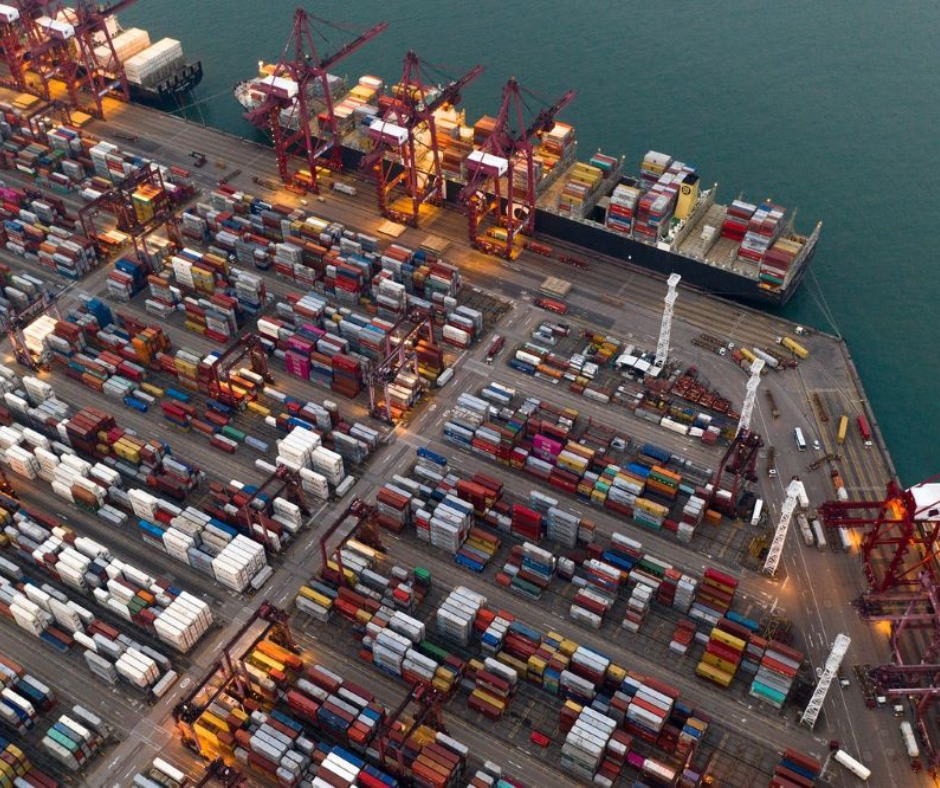
Recent proposals to implement significant tariffs on imports from Mexico, Canada, and China, as well as a blanket tariff on all U.S. imports, could drastically reshape industrial real estate dynamics. Key proposals include:
- North America: A 25% tariff on imports from Mexico and Canada, contingent on addressing drug and immigration issues. This could strain the U.S.-Mexico-Canada Agreement (USMCA), disrupting supply chains in automotive, agriculture, and medical equipment industries.
- China: A 10% tariff, with the potential to escalate to 60%, would pressure China on fentanyl production and incentivize a gradual decoupling from Chinese manufacturing.
- Global Trade: A universal 10–20% tariff on all U.S. imports could drive up consumer prices and challenge global trade relationships.
These changes would have profound effects on supply chain logistics, trade volume, and industrial real estate. As businesses prepare for higher costs and potential supply chain disruptions, the demand for storage solutions is set to spike.
Warehouse Demand Soars as Stockpiling Accelerates
Anticipation of tariffs is driving businesses to stockpile inventory, contributing to a surge in warehouse occupancy. Companies are ordering months or even a year’s worth of supplies to mitigate tariff-related risks. This trend has reignited demand for Industrial Outdoor Storage (IOS), especially as construction and manufacturing sectors rush to secure materials ahead of the potential cost increases.
However, this demand also underscores a critical need for strategic repositioning of warehouses. Supply chain adjustments may necessitate facilities closer to alternative trade routes or domestic production centers, increasing the need for flexibility in warehouse locations.
Navigating Supply Chain Resilience and Logistics Shifts
Industrial landlords and tenants face complex challenges in managing the influx of pre-tariff inventory and adapting to long-term shifts. Facilities must be equipped to handle high volumes in the short term while preparing for reshaped trade networks. As a result, the industrial real estate market may experience:
1. Higher Lease Rates: With warehouse availability tightening, rental prices are expected to rise further.
2. Construction Resurgence: Developers may pivot to building warehouses optimized for new trade routes, driving a potential construction boom in strategically located markets.
3. Investment Opportunities: The heightened demand for storage facilities creates a ripe environment for investors targeting the industrial sector.
Looking Ahead: Midwest in Focus The Midwest’s manufacturing resurgence, driven by EV and semiconductor investments, positions states like Ohio, Michigan, and Indiana as prime beneficiaries of this industrial transformation. Centralized locations and cost efficiencies make these regions increasingly attractive for logistics hubs to buffer against global trade volatility.

Conclusion
The interplay of regional development, national policy shifts, and localized construction trends underlines the dynamic nature of industrial real estate. Adapting to these changes isn’t just a necessity; it’s an opportunity.