May 2026 Newsletter
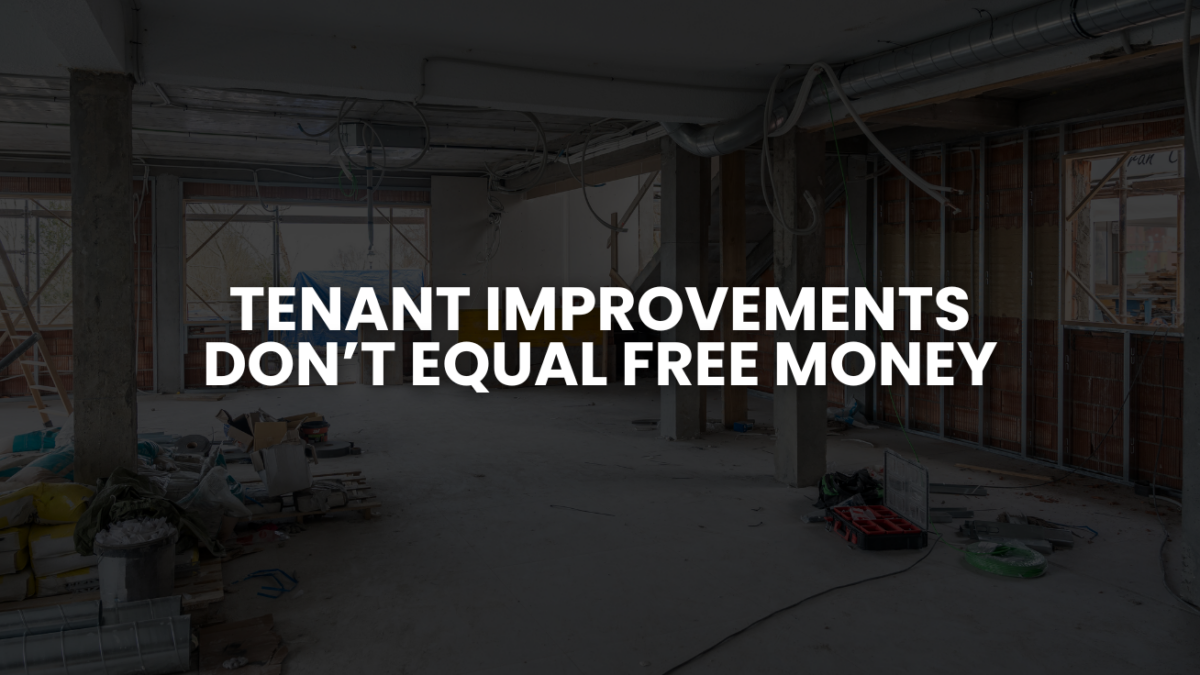
Understanding Tenant Improvement (TI) Allowances:What Tenants Really Need to Know
Tenant Improvement (TI) allowances are one of the most misunderstood components of a commercial lease, especially for tenants going through their first or second transaction. On the surface, a TI allowance sounds simple: the landlord is contributing money toward your build-out. In reality, how that money is funded, timing of payment, and cash-flow risk can materially affect your project.
Here’s what tenants should understand before assuming that a TI allowance is “free money.”
What Is a TI Allowance?
A Tenant Improvement allowance is a dollar amount the landlord agrees to contribute toward improvements made to the leased space. These improvements typically include things like:
- Demolition of existing build-out
- New offices, restrooms, or break rooms
- Electrical, HVAC, or plumbing upgrades
- Lighting, flooring, and other interior finishes
The key point: TI allowances are reimbursements—not upfront construction funding.
Common Misconception: “The Landlord Writes Me a Check”
One of the most common misunderstandings is that a landlord simply hands the tenant a check to start construction. That is rarely how it works. In most leases, the landlord reimburses approved costs after the work is completed and proper documentation is delivered. That means the tenant (or its contractor) is fronting the construction costs during the build-out period. If your improvement project lasts a few weeks, this may be manageable. If it stretches to six to nine months of construction, cash-flow becomes a very real issue.
How TI Allowances Are Typically Paid
From a landlord's perspective, the cleanest structure is straightforward: "When the project is complete, I'll reimburse you up to the TI allowance amount." That approach limits landlord risk, but it shifts most of the burden to the tenant during construction.
For larger or longer projects, tenants often need a more nuanced structure. Common payment options include:
- 100% payment at completion (most common starting position)
- Two-stage payments (e.g., 50% at substantial completion, 50% at final completion)
- Milestone-based payments tied to verified progress
- Monthly construction draws
Monthly construction draws are the least common option and can be difficult to negotiate, especially for smaller tenants or first‑time users.
Why Landlords Are Hesitant to Pay Early
Understanding the landlord's perspective helps set realistic expectations. Landlords are generally reluctant to release funds early because:
- Work may stop midway through construction, leaving the landlord without a completed asset
- A project could come in over budget
From their standpoint, paying out before value is delivered creates unnecessary risk, particularly if something goes wrong before the space is usable. That said, most landlords recognize that tenants cannot always self-fund large improvements for extended periods.
What Is Negotiable?
The good news: TI payment timing is negotiable, especially when approached thoughtfully.
Tenants often succeed by focusing on:
- Clear scope of work – detailed plans and pricing reduce uncertainty
- Realistic construction timelines – surprises erode trust
- Verification mechanisms – lien waivers, inspections, and paid-invoice requirements
A reasonable middle ground can often be reached when expectations are aligned upfront. The earlier these conversations happen (ideally during the Letter of Intent (LOI) phase), the better positioned a tenant is.
The Cash-Flow Question Every Tenant Should Ask
Before agreeing to TI terms, tenants should ask themselves one critical question: “Can I realistically float this project until reimbursement?”
If the answer is no, alternatives should be explored, such as:
- Negotiating staged reimbursements
- Reducing the scope of tenant improvements
- Exploring landlord-performed work in lieu of reimbursement
- Securing a line of credit aligned with the construction timeline
Ignoring this issue can delay occupancy, strain relationships with contractors, and derail operations before the business even opens.
Why This Matters More Than Ever
Build-out costs have increased substantially over the past several years. Higher material prices, longer lead times, and labor shortages mean tenants are carrying more financial exposure during construction.
A TI allowance may look attractive on paper, but its true value depends on how and when it’s paid.
Understanding this upfront allows tenants to:
- Plan cash flow accurately
- Avoid project delays
- Negotiate smarter lease terms
- Protect working capital
Final Thoughts
TI allowances are not just a lease number, they’re a process. The most successful tenants treat TI terms with the same level of scrutiny as the lease rate, term length, or renewal options.
Clarity beats assumptions every time.
If you’re approaching a lease renewal or evaluating a new space, make sure you fully understand how your TI allowance works—not just how much it is.