September 2025 Newsletter
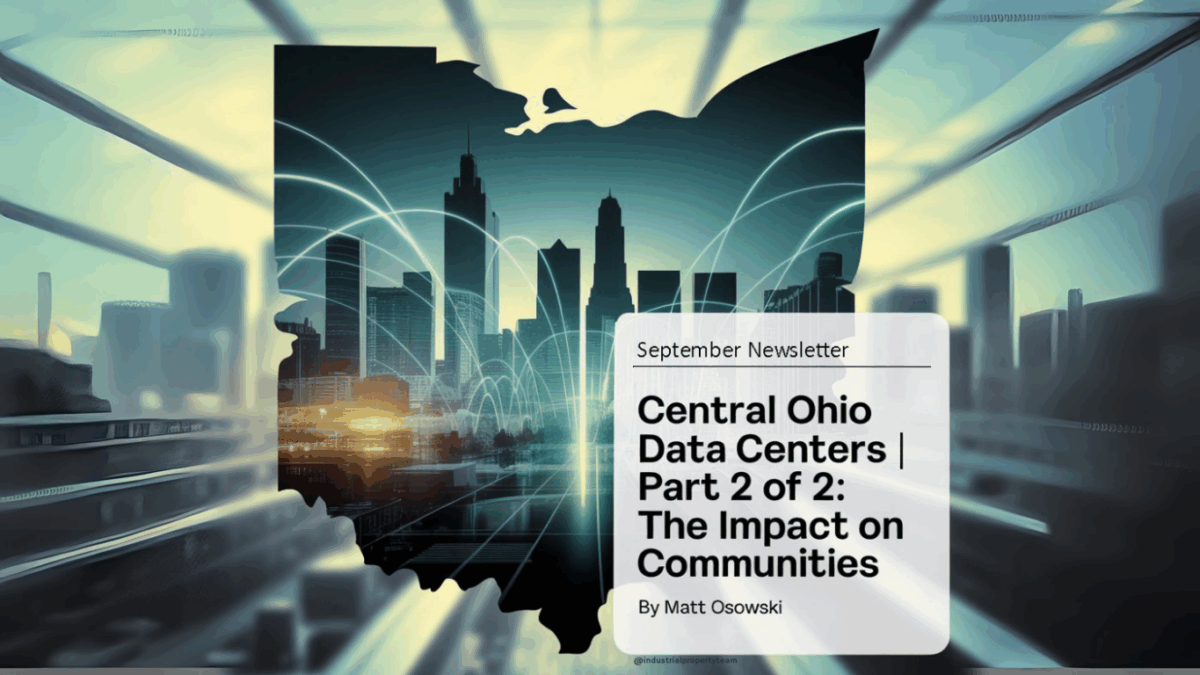
🏗️ Central Ohio Data Centers | Part 2 of 2: The Impact on Communities
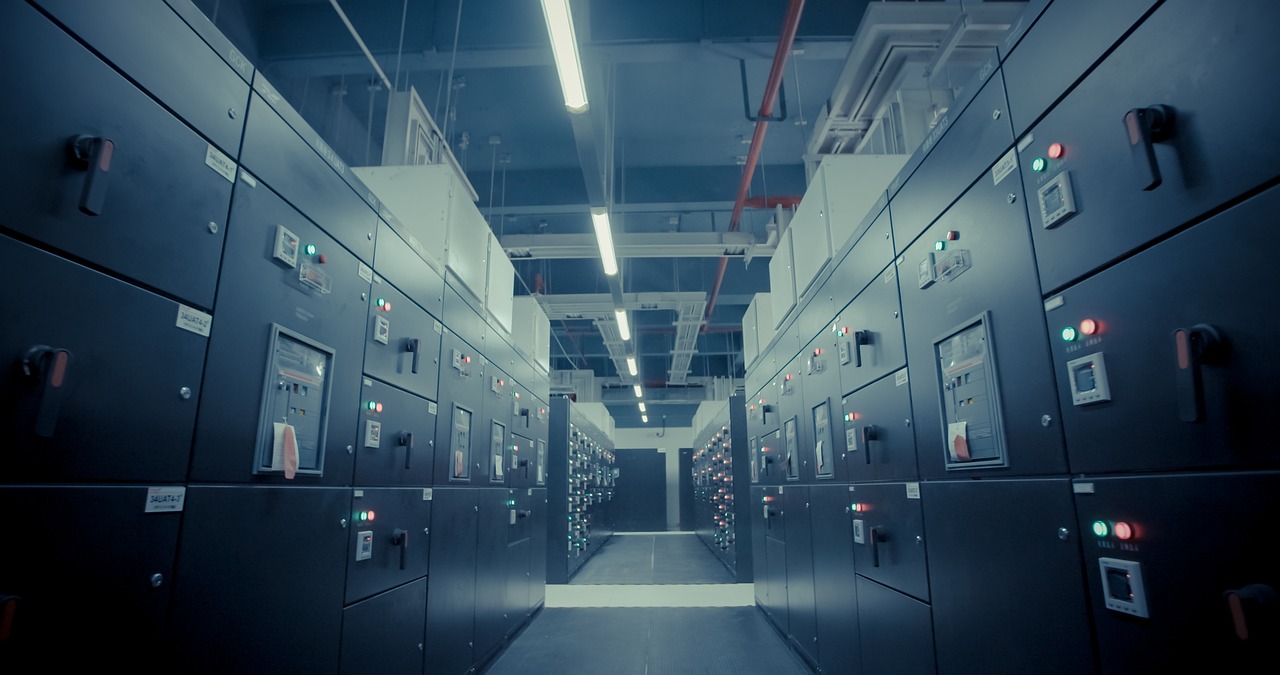
In July, we released Part 1 of our series, where we explored why Central Ohio has become a national hotspot for data center development, driven by billions in investment from hyperscale players like Meta, AWS, and Google. In this issue, we’ll dig deeper into the benefits and challenges of this rapid growth and what it means for the communities.
✅ Pros: Economic & Infrastructure Gains
Data centers bring a wave of benefits to local economies and infrastructure:
- High-Quality Jobs: From IT and engineering to construction and operations, these projects create well-paying roles across multiple sectors.
- Tax Revenue: Significant property and business taxes help fund schools, emergency services, and public infrastructure.
- Local Business Boost: Demand for services like security, maintenance, and logistics stimulates small business growth.
- Educational Partnerships: Collaborations with universities and trade schools help build a skilled workforce pipeline.
- Infrastructure Investment: Upgrades to power grids, fiber networks, and roads often accompany data center development.
- Sustainability Innovation: Many operators are pushing renewable energy, water-smart cooling, and green building standards.
- Community Engagement: Philanthropic contributions and local sponsorships are becoming common, especially from major tech players.
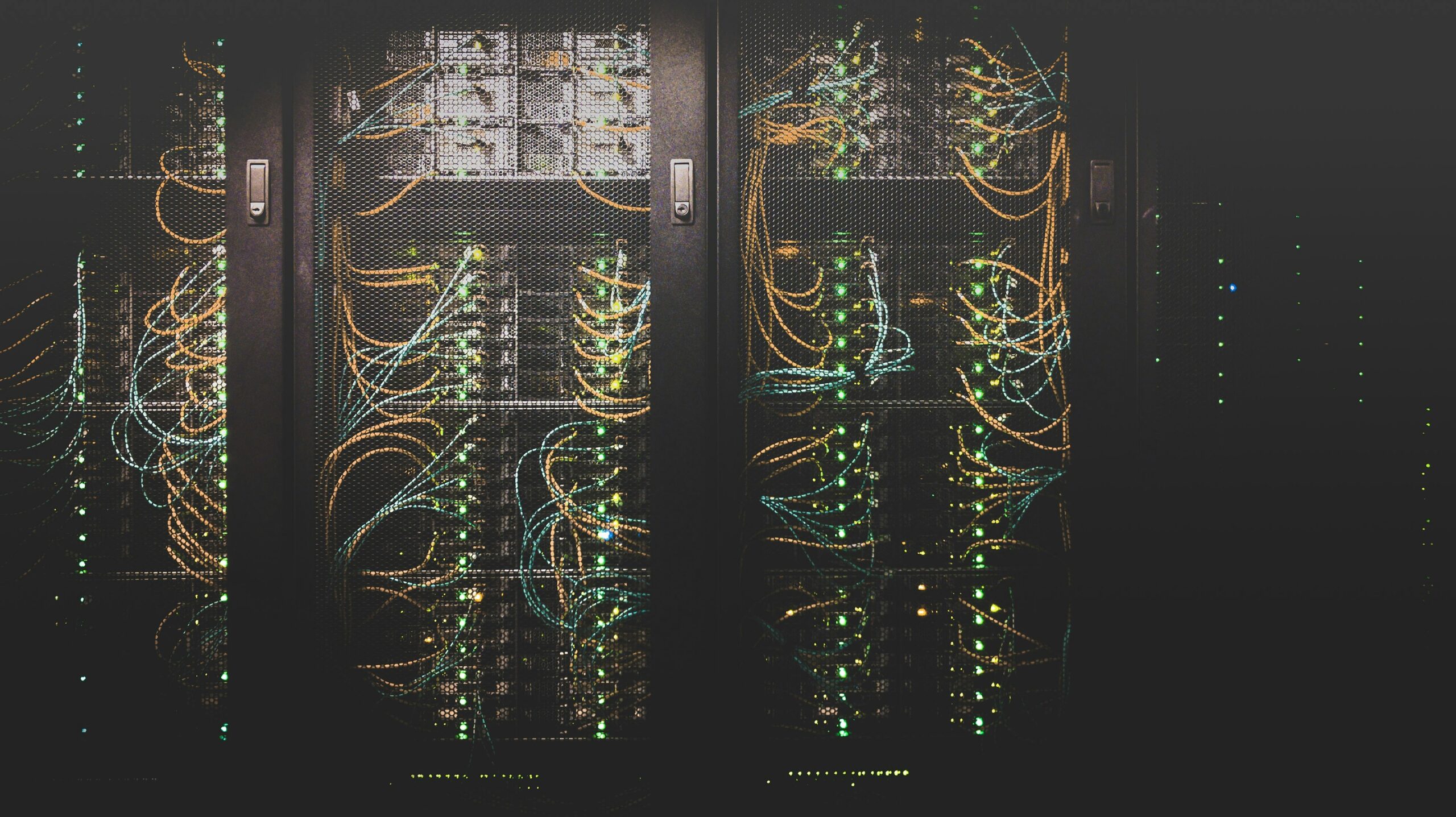
⚠️ Cons: Challenges to Watch
Despite the benefits, data centers also present real challenges that communities must navigate:
- Energy Demand: These facilities consume enormous amounts of electricity, straining local grids and requiring new substations or private energy solutions.
- Water Usage: Cooling systems can place pressure on local water supplies, especially in drought-sensitive areas.
- Limited Job Volume: While the jobs are high-quality, the total number is often modest compared to the scale of investment.
- Isolated Construction Jobs: These facilities primarily hire large national contractors, employing many construction workers in high-paying roles. This increases labor pressure on small and residential construction projects.
- Land Use Conflicts: Large footprints can displace other potential uses like housing or recreation.
- Inflated Land Costs: Expensive land deals can drive up local real estate prices, making it difficult for residential or industrial developments to compete for the same land.
- Environmental Concerns: Noise, emissions, and construction impacts can be disruptive if not carefully managed.
- Overdependence Risk: Communities may become economically reliant on a single tech tenant or facility.
- Security & Privacy: These sites can be targets for cyber or physical threats, requiring enhanced local preparedness.

🧭 Final Thought
Data centers are reshaping Central Ohio’s industrial landscape—and its communities. The key is balance: embracing the economic and technological benefits while proactively managing the environmental, social, and planning challenges.
As this sector continues to scale, local leaders, developers, and investors must work together to ensure sustainable, inclusive growth.
📩 Let’s Connect
Curious how data center expansion could affect your land strategy, zoning approach, or investment planning? Reach out to start the conversation.