September 2026 Newsletter
The Warehouse Floor | September Edition
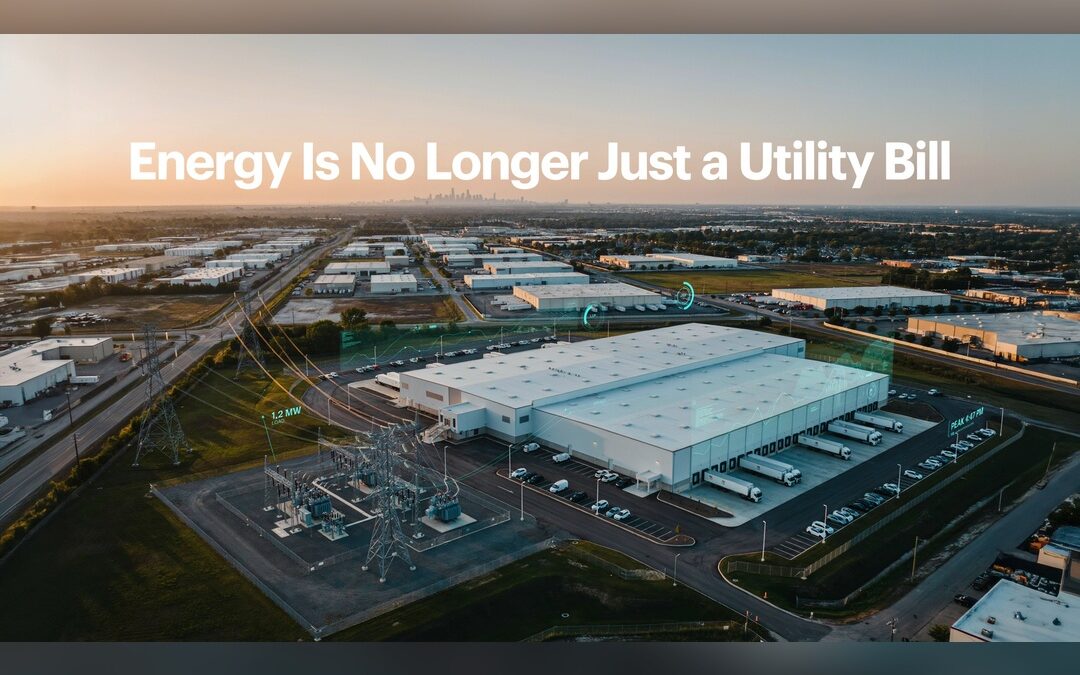
Energy Is No Longer Just a Utility Bill
For years, industrial occupiers focused on three primary drivers when evaluating facilities: labor, location, and real estate costs. While those factors remain critical, another variable has quickly moved into the spotlight:
Energy.
What was once viewed as a routine operating expense is now becoming a significant business consideration. In many cases, energy costs are now second only to property taxes among occupancy expenses, making them too important to ignore.
With increasing demand from data centers, AI infrastructure, manufacturing expansion, and a strained electrical grid, the conversation around power is changing rapidly.
We're Living Through an Energy Transformation
The industrial market is experiencing the effects of what many are calling a second industrial revolution.
Artificial intelligence, cloud computing, electrification, and advanced manufacturing are dramatically increasing demand for power. At the same time, aging infrastructure and global energy pressures continue to tighten supply.
The result is a simple reality:
Energy costs are becoming more volatile, and long-term relief appears unlikely.
For occupiers, this means energy strategy is no longer something to evaluate after the lease is signed. It should be part of the decision-making process from day one.
Not All Buildings Are Created Equal
When comparing facilities, most occupiers evaluate rent, taxes, dock positions, trailer parking, and labor availability. Few spend enough time analyzing energy.
That can be an expensive mistake.
Building age, insulation quality, roof condition, HVAC systems, lighting, and utility service provider can all have a meaningful impact on long-term operating costs.
In some cases, the "cheaper" building may actually be more expensive to operate because of inefficiencies that drive utility costs higher year after year.
As energy prices continue to rise, understanding a building's energy profile will become increasingly important during site selection.
Understanding Demand Charges
One of the most overlooked components of an electric bill is demand. Unlike usage charges, which are based on the amount of electricity consumed, demand charges are tied to peak power consumption during specific periods. For many industrial users, these charges can represent a substantial portion of overall utility expenses.
The good news is that technology and monitoring tools now allow companies to better manage demand, reduce peak loads, and, in some cases, participate in programs that provide financial incentives for helping relieve pressure on the electrical grid.
Simply put, understanding how and when a facility consumes power can create meaningful savings opportunities.
Energy Procurement Matters
Many companies devote considerable attention to negotiating lease terms yet spend little time evaluating how they purchase energy.
In deregulated states such as Ohio, businesses have the ability to shop suppliers and negotiate energy contracts. This creates opportunities to secure favorable rates and structure agreements around operational needs.
The challenge is that energy markets have become increasingly volatile. Weather patterns, infrastructure constraints, geopolitical events, export demand for natural gas, and growing power consumption all influence pricing. As a result, companies that take a proactive approach to energy procurement are often in a stronger position than those waiting until contract expiration to evaluate options.
In today's environment, having an energy strategy is becoming just as important as the rate itself.
Looking Beyond the Grid
One of the most interesting trends emerging in the industrial sector is on-site power generation. Historically, companies relied almost entirely on the utility grid to meet their energy needs. Today, alternative solutions are becoming more viable.
Technologies such as on-site natural gas generation, microgrids, and emerging small-scale nuclear solutions are beginning to change the conversation. While these options may not be practical for every occupier today, they illustrate how quickly the energy landscape is evolving and how critical reliable power has become to business operations.
What This Means for Industrial Occupiers
Energy is no longer a background consideration. It is increasingly influencing:
- Site selection decisions
- Occupancy costs
- Building design
- Expansion planning
- Operational resiliency
- Long-term budgeting
The occupiers that start evaluating energy with the same level of scrutiny as labor, transportation, and real estate costs will be better positioned to control expenses and reduce future risk.
As energy demand continues to climb, one thing is becoming clear:
Power is no longer just a utility issue. It's a real estate strategy issue.
Bottom Line: When evaluating a facility, don't just ask what the rent costs. Ask how the building consumes energy, who serves it, what future power requirements may be, and whether your energy strategy aligns with your business objectives. Those answers may have a greater impact on occupancy costs than many tenants realize.
And remember: every deal is different, so stay informed.